- 603-824-3883
- 166 S River Rd ste 110b, Bedford, NH, USA
Hearing Aid Programming
Hearing Aid Programming In Litchfield, New Hampshire
If you live along Albuquerque Avenue, Charles Bancroft Highway, or one of the farm roads that run down toward the Merrimack, you already know Litchfield doesn’t have a place to get a hearing aid adjusted. There’s no audiology office in town, no strip mall with a hearing clinic tucked between a pharmacy and a bank, because there’s no real commercial center at all. So when a device starts whistling, cutting out, or just sounding wrong, the search usually starts the same way: type it into a phone and see what comes up in Nashua or Manchester.
That’s the entire idea behind this page. You’re not being asked to change how you find care. Just where you point the car.
What Programming Actually Adjusts
Hearing Aid Programming for Litchfield residents
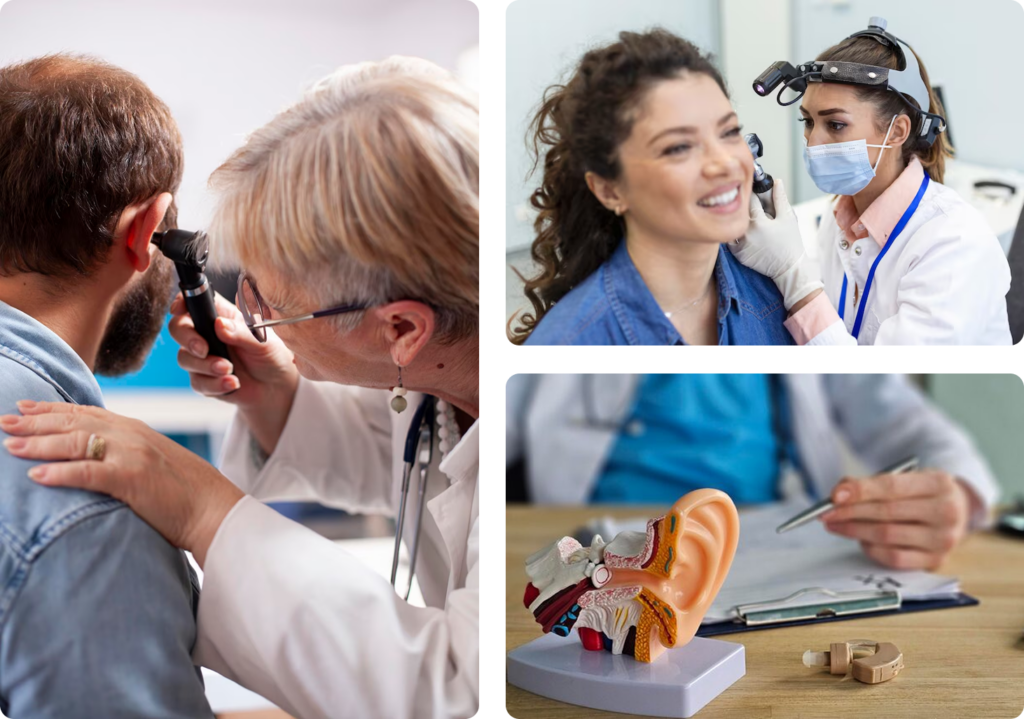
Hearing aid programming is the adjustment work that happens after a device is already in someone’s ear. It’s not a new fitting and it’s not a sales appointment. It’s the fine-tuning that makes a hearing aid actually match the hearing it’s supposed to help with.
A lot of people don’t realize this appointment exists separately from buying a device. If you picked up hearing aids online, at a big-box retailer, or from a practice that’s since closed or that you’ve simply moved on from, you can still bring them to Quest Audiology. We adjust and reprogram devices we did not sell. That’s a normal, common visit here, not an exception.
This matters most for anyone who’s been putting off dealing with their hearing for a while. Maybe you got hearing aids a few years ago and they were fine at first, and now they’re not. Hearing changes gradually, often without a clear moment where you’d think to do anything about it. A device programmed once and never revisited slowly stops fitting the ears it was built for. That’s not a flaw in the hearing aid. It’s just how hearing works.
When You'd Need a Programming Adjustment
Sounds feel too sharp or too loud.
Common in the first few weeks as your brain relearns sounds it's been missing.
Speech is hard to follow in noise.
Restaurants, family gatherings, and car rides often need separate settings.
Your own voice sounds strange.
A quick adjustment usually resolves this without changing anything else.
You're hearing whistling or feedback.
Often a fit or seal issue that programming and a physical check can both address.
Your hearing has changed.
A new hearing test means the programming should be updated to match it.
You've moved into a new routine.
A new job, a new home, more time outdoors — all reasons settings might need to shift.
How a Programming Visit Works
What happens at your appointment
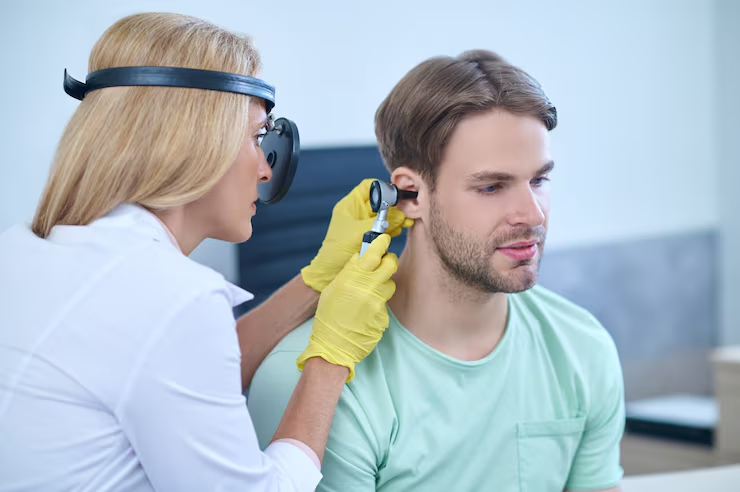
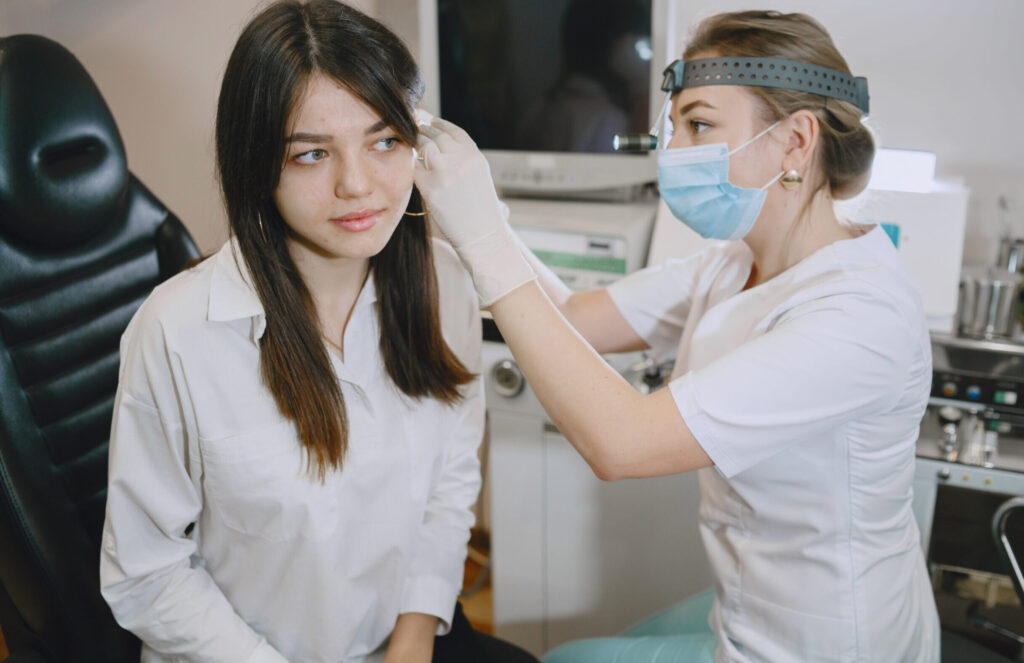
The room doesn’t look or feel like a doctor’s office. There’s no exam table, no waiting area lined with pamphlets. It’s closer to sitting down with someone who knows the technology well and wants to understand what’s actually happening when you wear your devices.
A typical visit starts with a conversation: what sounds are giving you trouble, where it happens, whether it’s changed recently. From there we run current hearing measurements so any adjustments are based on where your hearing actually stands today, not on old data from whoever set the devices up originally. Then the hearing aids connect to programming software, and the audiologist adjusts them in real time while you listen and react. You hear the difference as it happens.
Most appointments run under an hour. You walk out with devices tuned to your current hearing, a clear sense of what changed and why, and an actual understanding of your own settings instead of a device that’s just been quietly working or not working in the background of your life.

Remote Programming Between Visits
The technology
Modern hearing technology has moved a long way past the idea of a device that just makes everything louder. Current hearing aids process sound in bands, separating speech from background noise, adjusting automatically as a room changes, and in many cases connecting directly to a phone or TV. Programming software lets an audiologist shape all of that to a specific ear rather than applying one setting to everyone.
This is also why older devices can start feeling behind even if they still physically work. The chip inside a hearing aid from several years ago simply can’t do what current processing does, and how it’s programmed matters as much as which manufacturer made it. We don’t push one brand over another here. The goal is understanding what your specific devices can do and getting them to do it well, whichever company built them.
Programming Isn't a One-Time Event
Getting here from Litchfield
Quest Audiology is at 166 S River Rd Ste 110b in Litchfield. From most parts of Litchfield, the drive runs south on Route 3A through Merrimack before crossing into Litchfield, or over the river toward the F.E. Everett Turnpike depending on which end of town you’re starting from. Either way it’s a straightforward drive, generally under twenty-five minutes, without the traffic tangle of pushing further into Manchester or Nashua proper. Parking is on-site and free, no garage, no meter, no circling the block.
Why Litchfield Residents Choose Quest Audiology for Programming
Your audiologist
Appointments are led by {AUDIOLOGIST}, {CREDENTIALS}, who has spent {YEARS_IN_PRACTICE} working directly with patients on exactly this kind of ongoing adjustment and support. The credentials matter less as a title and more as what they mean in the room: someone who can read the diagnostics, understand what’s changed in your hearing, and translate that into settings that make sense for how you actually live. Read more at {BIO_URL}.
Your Audiologist
Common questions
Areas We Serve Near Litchfield, NH
Quest Audiology also provides hearing tests for patients throughout the greater Manchester area, including:
Manchester
Merrimack
Litchfield
Goffstown
Hooksett
Nashua
Londonderry
Amherst
Milford
FAQs
How often should hearing aids be reprogrammed?
Most patients need a few adjustments in the first months after fitting, then check-ins every six to twelve months, or sooner if hearing or lifestyle changes.
Does hearing aid programming cost extra?
Follow-up programming visits are included as part of your care. There’s no separate charge for coming back to adjust settings.
Can programming fix whistling or feedback?
Sometimes. Feedback is often a fit issue rather than a settings issue, so we check both during a programming visit.
Do I need a new hearing test before reprogramming?
Not always. Minor adjustments don’t require a new test, but if it’s been over a year, we’ll usually recommend one to make sure the programming still matches your hearing.
Can any audiologist reprogram hearing aids from another provider?
In most cases, yes, using manufacturer software. Bring your devices in and we’ll confirm compatibility during your visit.
Is remote programming as good as an in-person visit?
It works well for small tweaks. Anything involving real-ear verification or a physical fit check still needs an in-office appointment.
Ready to Schedule Your Hearing Aid Fitting in Litchfield, NH
Request a Consultation or Call Today at 603-824-3883 to schedule a programming visit. Prefer to start with a full check first? Schedule a Hearing Test.
Quest Audiology
166 S River Rd, Ste 110B
Litchfield, NH
603-824-3883