- 603-824-3883
- 166 S River Rd ste 110b, Bedford, NH, USA

Tinnitus Treatment
Tinnitus Treatment in Hooksett, New Hampshire
If you live near Hooksett Village or off the 3A corridor and you have started searching for tinnitus help at 1am, you are not alone in that particular kind of search. Hooksett has grown fast around Route 3A’s retail strip and around Southern New Hampshire University, but it still does not have its own specialist medical presence to speak of. For anything beyond a primary care visit, the drive to Manchester or Concord is just part of how people here get care, and tinnitus evaluation usually falls into that category.
That drive is usually shorter than people expect. Quest Audiology is a few minutes south in Hooksett, and this page is written for the person who has been told, somewhere along the way, that nothing can be done about the ringing. That is not accurate. It is also not the same as being told it can be cured. Neither is true, and this page will not pretend otherwise.

What Tinnitus Treatment Can (and Can't) Do
Tinnitus Treatment for Hooksett residents
Tinnitus is the perception of sound, usually ringing, buzzing, hissing, or a low hum, that does not come from anything outside the body. There is no cure for it. What exists instead is a set of tools to understand what is driving it and to reduce how much it dominates your attention day to day.
For a lot of people driving in from Hooksett, this has been years in the making. Maybe it started after a loud shift at work, maybe it showed up alongside some hearing loss you have been putting off dealing with, maybe there is no obvious cause at all. Any of those are normal starting points.
Tinnitus care at Quest starts with figuring out what is actually going on, not with a device sale. That usually means:
- A full hearing evaluation, since tinnitus and hearing loss are frequently connected
- A conversation about when it happens, what makes it louder or quieter, and how it is affecting sleep, focus, or mood
- A look at sound therapy and device-based masking options if they fit your situation
- Practical management strategies you can use immediately, independent of any device
This is diagnosis and management, described honestly. Nobody here will tell you it will go away.
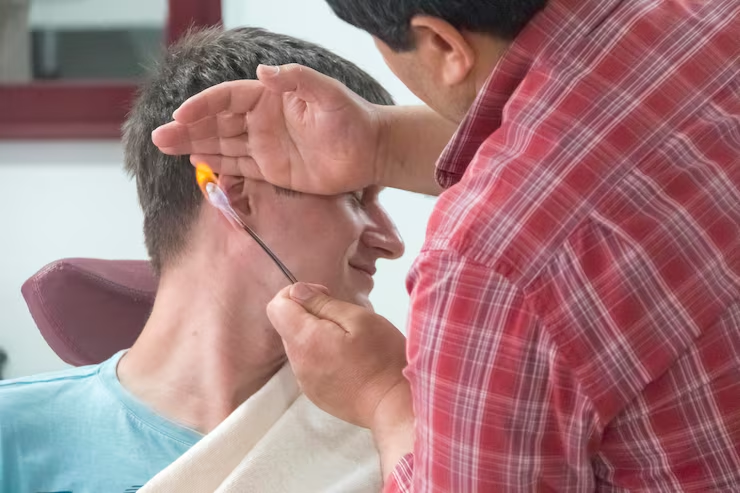
What Causes Tinnitus
What happens at your appointment
The Hooksett office is built to feel more like a technology showroom than a waiting room, because that is closer to what the visit actually is. You will not sit in a beige room flipping through old magazines.
Here is roughly how it goes:
- Conversation first. Before any equipment comes out, you will talk through your history: when the tinnitus started, what it sounds like, what else is going on with your hearing.
- Advanced diagnostics. A comprehensive hearing evaluation using current audiometric equipment, done in a sound-treated booth, checking hearing across the full frequency range that matters for both hearing loss and tinnitus.
- Results explained in plain language. You will see your own audiogram and understand what it shows, not just be handed a printout.
- Options, not a pitch. If sound therapy or a device could help you manage the tinnitus, you will hear about how it works and what it involves before anyone talks about next steps.
Most first visits run about an hour. You leave knowing what is actually happening with your hearing and your options for managing what you are hearing, whether or not you decide to move forward with anything that day.

How We Diagnose Before Treating
Full hearing evaluation.
Tinnitus and hearing loss overlap often enough that we check both together.
Tinnitus-specific assessment.
We ask about pitch, pattern, and what makes it better or worse — details that shape which approach fits.
Medical history review.
Certain medications and conditions are known tinnitus triggers, and we check for them before recommending anything.
Referral when needed.
If something points to a medical cause outside our scope, we'll refer you to the right specialist rather than guess.
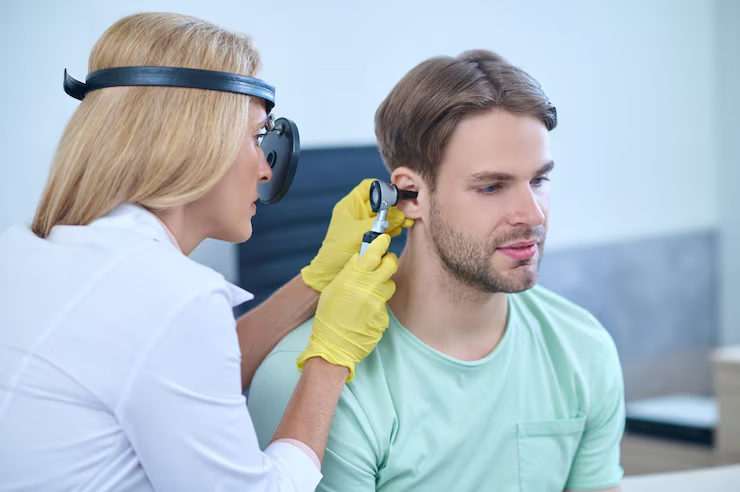
Tinnitus Treatment Options We Use
Sound therapy and masking.
Background sound at a specific level can make tinnitus less noticeable, especially in quiet rooms.
Hearing aids with tinnitus programs.
If hearing loss is present, hearing aids often reduce tinnitus perception as a side effect of restoring sound input, and many current devices include built-in tinnitus settings.
Counseling and coping strategies.
Understanding tinnitus and learning how to respond to it changes how much it interferes with sleep, focus, and mood.
Trigger identification.
Caffeine, stress, certain medications, and loud environments can all worsen tinnitus for some patients — we help narrow down what applies to you.
What a Tinnitus Treatment Appointment Looks Like
The technology
Modern hearing technology has moved a long way past the beige box behind the ear that a lot of people still picture. Sound therapy and masking features are now often built directly into hearing devices, generating customized background sound that can make tinnitus less noticeable without adding noise to your environment. Some devices adjust that sound automatically depending on where you are and how quiet it is.
None of this is manufacturer-specific, and Quest is not going to steer you toward one brand over another on this page or in the office. The point of a consultation is understanding which features actually apply to your hearing and your tinnitus, not picking a product off a shelf. That is a personalized hearing solution, built around your evaluation, not a catalog decision.


Why Hooksett Residents Choose Quest Audiology for Tinnitus Treatment
Getting here from Hooksett
From Hooksett Village, Quest Audiology’s Hooksett office is a straightforward drive south, largely following the Everett Turnpike or River Road down through the Manchester side of the Merrimack before crossing into Hooksett. Depending on where you are starting from and time of day on 3A, plan for somewhere around 15 to 20 minutes.
The office is at 166 S River Rd Ste 110b, Hooksett, NH 03110, with on-site parking directly outside, so there is no garage to deal with and no need to circle a block looking for a spot.
Your Audiologist
Your audiologist
Your evaluation is done by {AUDIOLOGIST}, {CREDENTIALS}, who has spent {YEARS_IN_PRACTICE} working specifically with hearing and tinnitus care. That background matters most in a case like tinnitus, where getting the underlying diagnosis right shapes everything that follows.
You can read more about {AUDIOLOGIST}’s background and approach on the full bio page: {BIO_URL}.
Areas We Serve Near Hooksett, NH
Common questions
Manchester
Merrimack
Litchfield
Goffstown
Hooksett
Nashua
Londonderry
Amherst
Milford
FAQs
Is there a cure for tinnitus?
Not currently, for most cases. Treatment focuses on identifying causes where possible and reducing how much the sound affects daily life.
Will tinnitus go away on its own?
Sometimes, especially if it followed a specific event like loud noise exposure. Persistent tinnitus is less likely to resolve without some form of management.
Is tinnitus always linked to hearing loss?
Often, but not always. A hearing evaluation is still the right first step even if you don’t think your hearing has changed.
Can stress make tinnitus worse?
Yes, for many patients. Stress doesn’t cause tinnitus on its own, but it commonly makes existing tinnitus feel more intrusive.
Do hearing aids help with tinnitus?
For patients with hearing loss, often yes. Restoring sound input and using built-in tinnitus programs both tend to reduce how noticeable it is.
How long does tinnitus treatment take to show results?
It varies. Some patients notice a difference within weeks of starting sound therapy or hearing aids; others need a longer adjustment period.
Ready to Schedule Your Hearing Aid Fitting in Hooksett, NH
Request a Consultation or Schedule a Hearing Test to get a clear picture of what’s driving your tinnitus. Prefer to talk it through first? Call Today at 603-824-3883.
Quest Audiology
166 S River Rd, Ste 110B
Hooksett, NH
603-824-3883